Protecting Your Digital Identity
Cybersecurity involves implementing robust security measures, including firewalls, encryption.

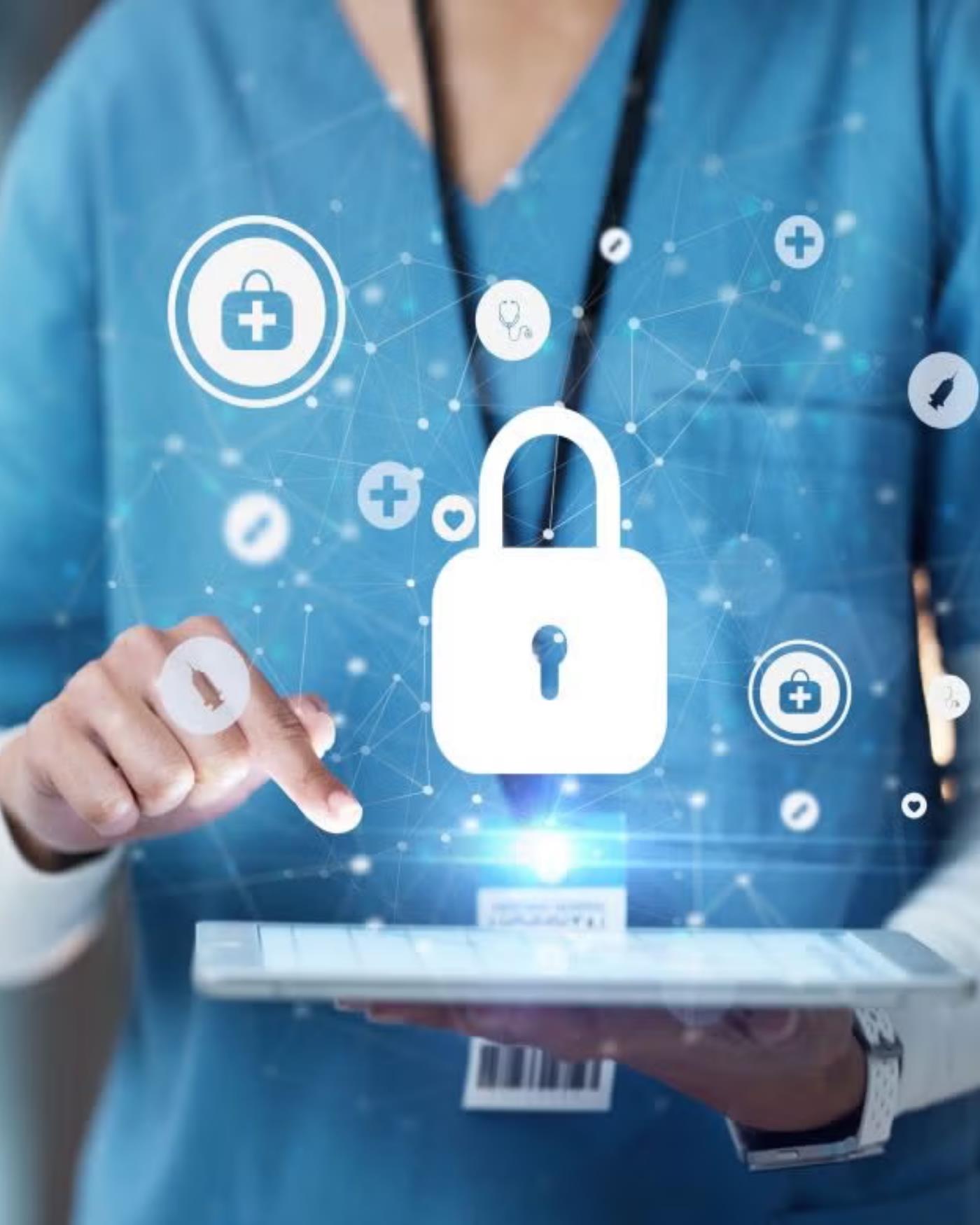







Healthcare providers handle protected health information (PHI), which is highly sensitive and valuable to cybercriminals. Accreditation ensures robust safeguards are in place to protect patient privacy and comply with regulations like HIPAA. Accreditation helps healthcare organizations demonstrate compliance with legal and regulatory requirements related to data security and privacy, reducing legal liabilities.
Patients are more likely to trust healthcare providers that prioritize strong cybersecurity measures, reassuring them that their personal and medical information is secure. A cyberattack can disrupt healthcare services, delay treatments, or compromise patient safety. Accreditation ensures healthcare systems are resilient and prepared to maintain operations during security incidents.
The need for cybersecurity accreditation in healthcare is crucial due to the sensitive nature of health information and the increasing frequency of cyber threats targeting healthcare organizations. Key reasons include:
1. Protection of Sensitive Patient Data: Healthcare providers handle protected health information (PHI), which is highly sensitive and valuable to cybercriminals. Accreditation ensures robust safeguards are in place to protect patient privacy and comply with regulations like HIPAA.
2. Regulatory Compliance: Accreditation helps healthcare organizations demonstrate compliance with legal and regulatory requirements related to data security and privacy, reducing legal liabilities.
3. Enhancing Patient Trust: Patients are more likely to trust healthcare providers that prioritize strong cybersecurity measures, reassuring them that their personal and medical information is secure.
4. Reducing Cybersecurity Risks and Incidents: Accreditation promotes the implementation of best practices, risk management, and proactive security measures to prevent cyberattacks such as ransomware, data breaches, or system outages.
5. Ensuring Continuity of Care: A cyberattack can disrupt healthcare services, delay treatments, or compromise patient safety. Accreditation ensures healthcare systems are resilient and prepared to maintain operations during security incidents.
6. Safeguarding Critical Infrastructure: Healthcare facilities are part of national critical infrastructure; securing these systems through accreditation helps protect public health and safety.
7. Supporting Digital Transformation: As healthcare increasingly adopts digital health records, telemedicine, and IoT devices, accreditation ensures security measures keep pace with technological advancements.
“ Accreditation is not a one-time achievement but an ongoing process of excellence. Healthcare institutions that align their systems with accreditation standards not only meet compliance benchmarks but also ensure consistent delivery of safe ethical and high-quality care.“


With the increasing frequency and sophistication of cyber threats, businesses must implement robust security measures to protect their sensitive data and maintain.

Cybersecurity involves implementing robust security measures, including firewalls, encryption.

Cybersecurity involves implementing robust security measures, including firewalls, encryption.


CSAC All Right Reserved Design By Cyber Security & AI Advisory Council
